Flowerpot Cat Litter Box: Smart Odor Control, More Space
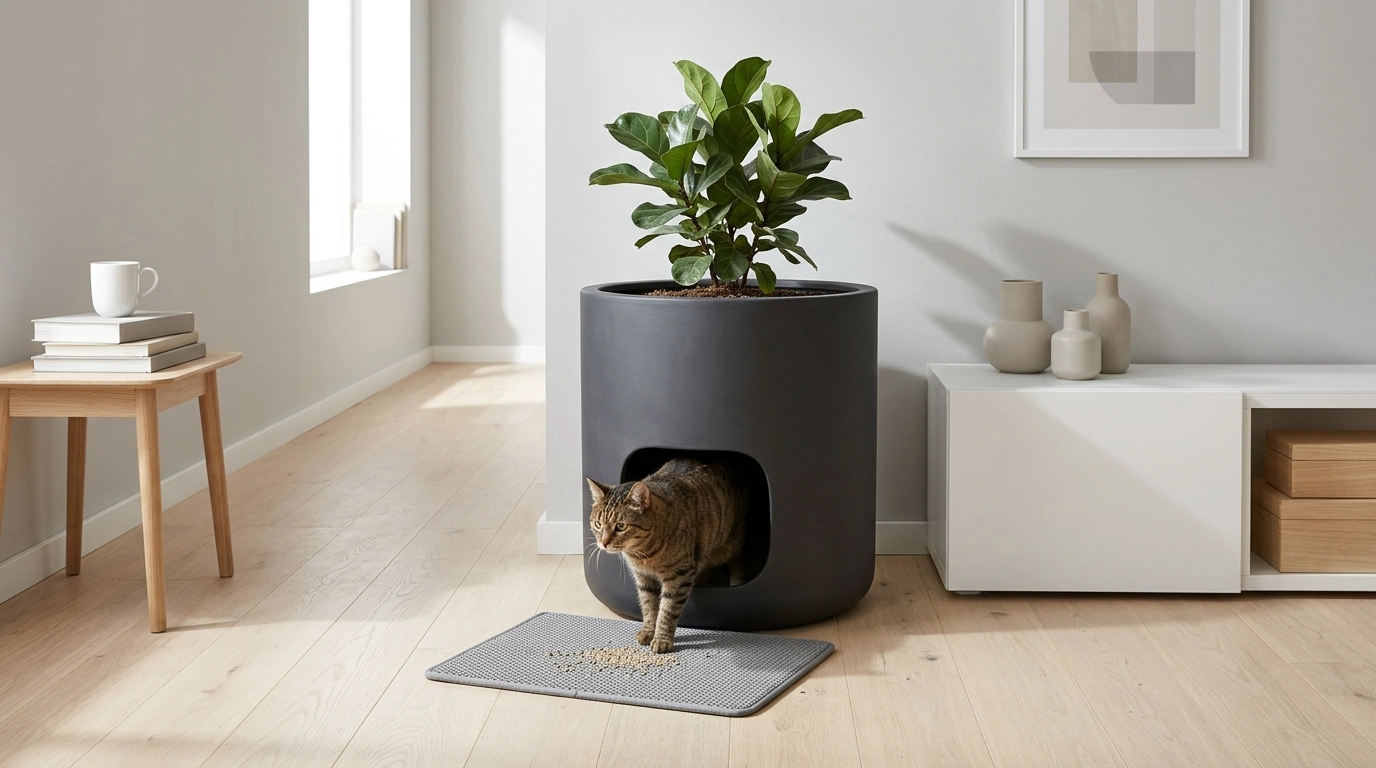
A litter box doesn’t have to look like a litter box. If your home has an open layout, minimal décor, or shared living spaces, a standard pan can feel impossible to “hide” without creating a dedicated pet corner. A modern flowerpot-style enclosure offers a decor-forward silhouette while still focusing on what matters day to day: odor control, comfortable space for your cat, and a setup that helps reduce scatter and tracking around the box.
Why the Flowerpot Shape Works in Real Homes
The flowerpot-style exterior reads like a piece of home décor first and a litter box second, which makes it easier to place in living rooms, entryways, or open-plan apartments without drawing attention. Instead of trying to conceal a box behind furniture (often a recipe for poor ventilation and messy corners), the enclosure becomes part of the room’s visual flow.
Functionally, the taller walls help keep litter scatter more contained as cats dig and cover. Many cats also prefer a bit of privacy while they turn and choose a spot, and the enclosed design can help them feel less exposed—especially in busy households.
Because the look is intentionally neutral and modern, it pairs naturally with planters, side tables, and clean-lined shelving. The result is a more integrated space that doesn’t feel like “pet equipment” took over a corner of the room.
Smart Deodorization: What It Solves (and What It Doesn’t)
Smart deodorization is designed to address the lingering “after-use” odor that can drift into surrounding spaces between scooping sessions. This can be particularly helpful in smaller homes where ammonia-like smells feel amplified and have fewer places to dissipate.
That said, deodorization should be treated as support for hygiene—not a replacement for it. A covered enclosure can hold in odor if waste is left too long, so daily scooping and periodic full litter changes still matter. For best results, pair the box with a low-dust litter that clumps well and avoid placing the unit in a damp, poorly ventilated corner where odors tend to linger.
For broader litter box best practices, veterinary and animal welfare resources like the American Association of Feline Practitioners (AAFP) Litter Box Management Guidelines and the ASPCA guidance on litter box problems offer practical recommendations that can help reduce odor and prevent avoidance.
Spacious Interior and Cat Comfort
A roomy interior is more than a nice-to-have. Cats need enough space to enter, turn around, and dig without constantly brushing the walls. This is especially important for larger cats, long-bodied breeds, or cats that tend to “circle” before settling into a spot. More interior space can also reduce accidental messes caused by cramped positioning.
The enclosed design can benefit timid cats that prefer privacy, while also keeping the contents visually out of sight—helpful for maintaining a calmer-looking room. Stability matters, too: a solid, steady base reduces wobble that can startle a cat mid-use and contribute to litter box avoidance over time.
If you have multiple cats, capacity and routine become even more important. Many veterinary organizations commonly recommend maintaining one box per cat, plus one extra, to reduce conflict and encourage consistent litter box habits.
Setup Tips for Smoother Adoption
Even the best-looking litter box won’t help if your cat refuses it. Placement and transition strategy make a major difference. Start with a quiet, consistent location—somewhere your cat can approach without feeling cornered and where foot traffic isn’t constant.
If you’re switching from an open pan to an enclosed box, consider a gradual transition. Place the new unit next to the current box for several days so your cat can investigate without pressure. Keep the same litter your cat already uses at first; changing box style and litter type at the same time can slow acceptance. If you want to switch litter later, do it gradually by mixing in small amounts of the new litter over time.
Finally, make sure the entry path is clear. Avoid tight corners that can make cats feel trapped or forced to face the wall, and ensure there’s enough space for easy in-and-out movement.
Cleaning Routine and Odor Prevention
| Task | How often | Why it matters |
|---|---|---|
| Scoop clumps/solids | Daily (1–2x) | Prevents odor buildup and encourages consistent use |
| Top off litter | Every 2–4 days | Keeps depth comfortable for digging and helps clumping |
| Wipe entry area | 2–3x per week | Reduces tracking and residue odors |
| Full litter change + wash | Every 2–4 weeks | Resets odor sources that cling to surfaces |
Safety and Practical Considerations
Product Snapshot
- Modern Flowerpot-Style Cat Litter Box with Smart Deodorization and Spacious Design
- Waste Wise: A Home Recycling Guide | Simple Home Waste Sorting System, Eco-Friendly Living Guide & Digital Download
- No-Stress Packing Checklist for Traveling With Kids – Ultimate Family Travel Guide & Digital Download
FAQ
Will a covered flowerpot-style litter box make odor worse?
It can if scooping and full cleanings aren’t kept up, since covered designs may hold odors inside. Smart deodorization helps reduce lingering smell between cleanings, but placement, airflow, and daily scooping still determine how fresh the area stays.
How do you get a cat to switch to a new enclosed litter box?
Set the new box beside the old one for a few days, keep the same litter at first, and avoid moving the location during the transition. Let your cat explore at their own pace and watch for hesitation so you can adjust access or placement.
Is a spacious litter box better for large cats?
Yes—more interior room makes it easier for large cats to turn around, dig, and cover without bumping walls. That added comfort can reduce accidents and help maintain consistent litter box habits.










Leave a comment