Folded Geometric Ceramic Vase: Styling, Care & Ideas
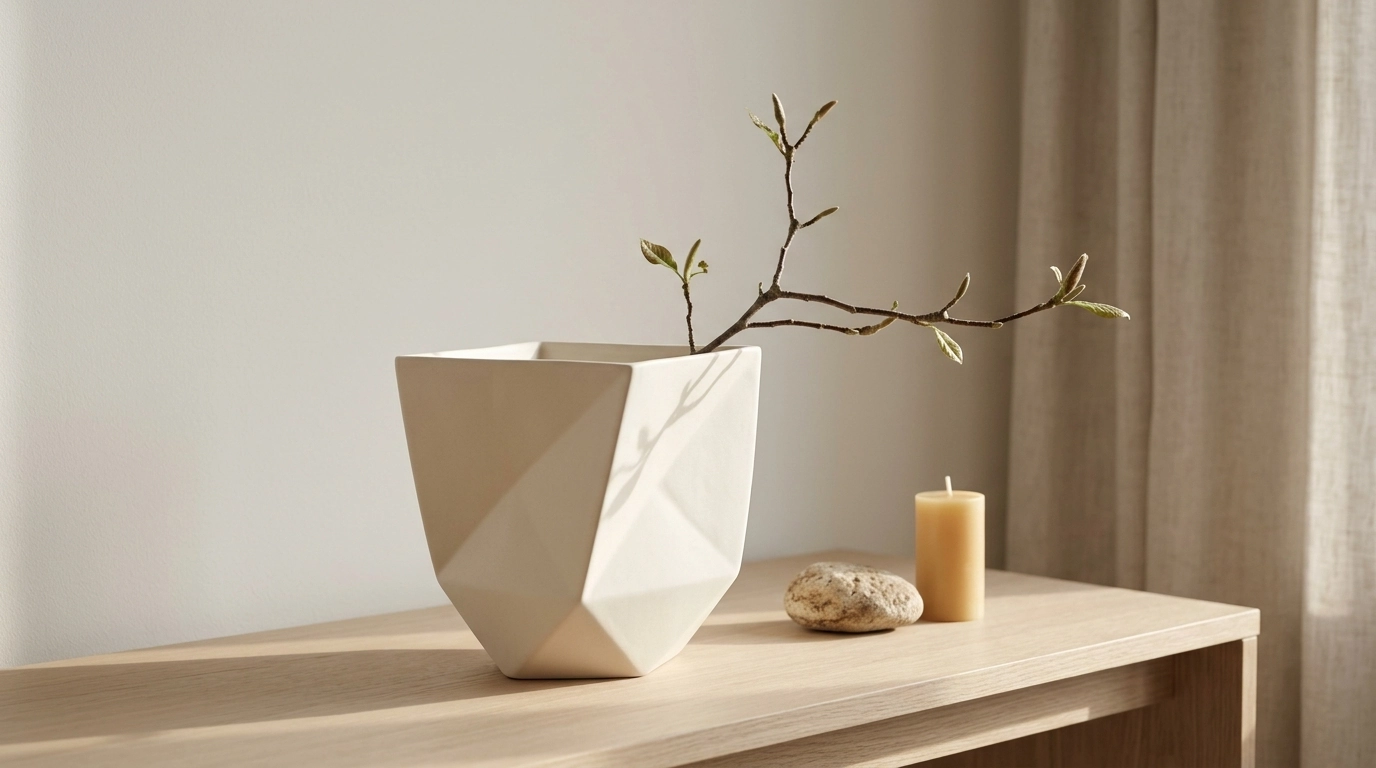
Ceramic Geometric Folding Cups Flower Vase – Modern Home Decoration
A sculptural ceramic vase with a folded, cup-like geometric profile brings instant structure to a room—whether styled with fresh stems, dried botanicals, or left empty as a statement piece. The faceted form reads like functional art: it adds rhythm, catches light throughout the day, and makes even simple arrangements feel intentional. Below are the design details that make it work, the best places to use it at home, and practical ways to style and care for it. For more guidance, see Object of the Day – Saint Louis Art Museum.
What Makes the Folding-Cup Geometry Stand Out
The folding-cup silhouette is all about crisp planes and sharp transitions. Instead of a smooth cylinder, the vase presents multiple angles that create strong light-and-shadow contrast—so it looks different from morning to evening and from every viewing angle. For further reading, see Lauren Owens: At Home With Friends at Plinth Gallery, Denver.
- Faceted, folded form: The edges act like a built-in spotlight, emphasizing highlights and shadows that read like modern sculpture.
- Architectural rhythm: The repeating angles add visual movement on shelves, consoles, and coffee tables without needing a large arrangement.
- Decorative even when empty: The geometry holds attention on its own, which is ideal for minimalist, calm spaces.
- Easy to place across styles: It pairs naturally with modern, Scandinavian, Japandi, and contemporary interiors—anywhere clean lines and thoughtful negative space are welcome.
For a quick refresher on balancing proportion and focal points in arrangements, the Smithsonian Gardens guide is a helpful reference: Smithsonian Gardens – Flower Arranging Basics.
Where It Looks Best at Home
This vase shines where it can catch light and where its profile won’t be visually crowded. Think of it as a small piece of sculpture you can move around as your seasons and routines change.
- Entryway console: A quick focal point that sets a clean, curated tone as soon as you walk in.
- Dining table: Low-to-medium height styling keeps the table feeling intentional without clutter.
- Bookshelf or built-ins: The geometric silhouette breaks up rows of rectangular spines for a more dynamic display.
- Nightstand: A single stem or small bundle keeps the look calm and architectural.
- Bathroom vanity: Adds a gallery-like touch when styled with dried stems (avoid constant splashes).
Placement Ideas and Styling Payoff
| Spot | Best with | Why it works | Quick tip |
|---|---|---|---|
| Entryway console | Dried stems or eucalyptus | Instant structure at eye level | Add a small tray beside it to anchor keys and candles |
| Dining table | 3–7 stems | Creates a centerpiece without blocking sightlines | Keep stems airy; let negative space show the shape |
| Bookshelf | Single sculptural branch | Balances straight lines of books | Place slightly forward so the edges catch light |
| Coffee table | Short bouquet or empty | Functions as sculptural decor | Pair with one low book stack to avoid visual noise |
| Bathroom shelf | Dried botanicals | Elevates small spaces | Keep away from direct water spray to protect finish |
Styling Formulas That Highlight the Shape
The easiest way to make a geometric vase look “designed” is to avoid overfilling it. Let the folded edges stay visible, and treat stems as a supporting element—not the whole show.
- Single-stem focus: One dramatic branch (willow, magnolia, or a high-quality faux stem) emphasizes the outline and keeps the look sculptural.
- Monochrome modern: White or cream stems in a neutral room keep attention on geometry and surface texture.
- Contrast pop: Deep green foliage or bold blooms against a light ceramic body creates gallery-like impact.
- Dried and lasting: Pampas, bunny tails, or preserved eucalyptus delivers a low-maintenance look that stays crisp for weeks.
- Layered vignette: Style the vase with one candle and one small object (stone, wood, or metal) for a balanced trio.
If your space leans art-forward, it can be fun to echo the vase’s angles with nearby artwork. For background on the long tradition of ceramic artistry (and why ceramic forms read as “collected” and elevated), see: The Metropolitan Museum of Art – Ceramics.
Material Notes and Everyday Care
Ceramic is durable for everyday decorating, but it rewards a little care—especially if you move decor around often or style on hard surfaces.
Pairing Suggestions for a Cohesive Look
For a ready-to-style centerpiece, see the Ceramic Geometric Folding Cups Flower Vase – Modern Home Decoration. If you’re refreshing your space with a more mindful routine, Waste Wise: A Home Recycling Guide is a simple way to streamline daily sorting and keep your home feeling tidy and intentional.
Product Snapshot
| Detail | Value |
|---|---|
| Product | Ceramic Geometric Folding Cups Flower Vase – Modern Home Decoration |
| Price | $42.82 (USD) |
| Availability | In stock |
| Use | Decor centerpiece, fresh or dried stems, sculptural accent |
FAQ
Can this ceramic vase be used with water for fresh flowers?
Yes—ceramic vases are typically suitable for holding water for fresh flowers. For peace of mind, place it on a protected surface the first time you use it, and rinse and dry it after each arrangement to prevent residue or odor.
How many stems look best in a geometric vase like this?
One statement branch looks especially sculptural, while 3–7 stems creates an airy arrangement. Avoid overfilling so the folded edges and silhouette stay visible.
How should a ceramic vase be cleaned without damaging the finish?
Wash with mild soap, warm water, and a soft brush (a bottle brush works well for the interior). Skip abrasive scrubbers, rinse thoroughly, and dry completely; adding a felt pad under the base helps protect delicate furniture finishes.









Leave a comment