Car Sleep Smart: Comfortable & Safe Overnight Car Sleep
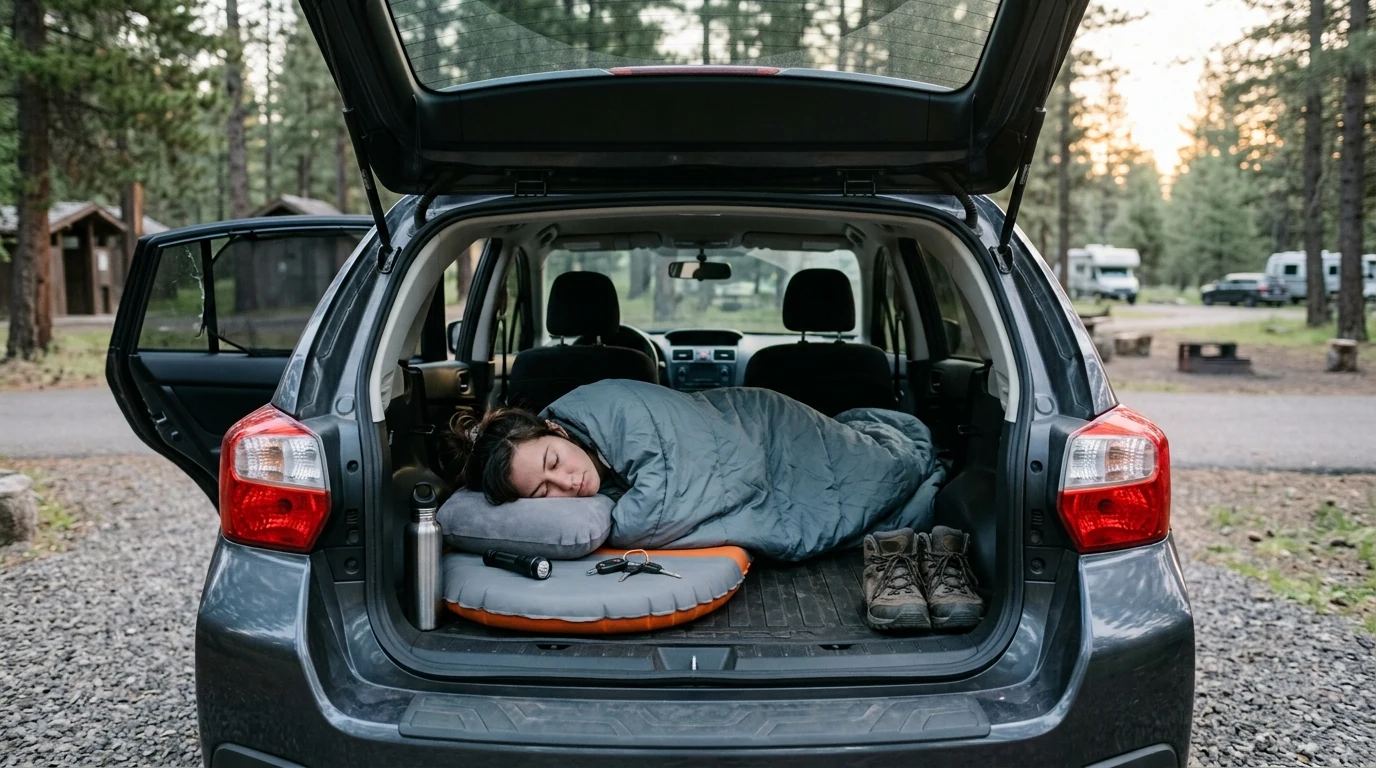
Car Sleep Smart: A Better Way to Rest on the Road
Sleeping in your car can be a practical backup plan on long drives, budget trips, unexpected weather delays, festivals, or emergencies. The difference between a miserable night and a truly restorative one usually comes down to four things: where you park, how you manage airflow, how you handle temperature, and whether your sleep surface supports your body. The goal is simple—wake up safe, comfortable, and clear-headed enough to drive.
When fatigue hits, pulling over is often the safest choice compared to pushing through drowsy driving. The National Highway Traffic Safety Administration highlights how dangerous drowsy driving can be, especially when you’re trying to “just make it another hour.” NHTSA guidance on drowsy driving is a useful reminder that rest is a safety decision, not a luxury.
When car sleeping makes sense—and when it doesn’t
Car sleeping makes the most sense when you need a short recovery break or an overnight stop that keeps you moving efficiently the next day. Common scenarios include:
- Road trips with long mileage days
- Late-night driving fatigue (pull over before it becomes dangerous)
- Festival or campground overflow
- Weather delays and road closures
- Quick naps at rest stops where permitted
- Emergency situations where you can’t reach a hotel safely
Skip overnight car sleeping when conditions stack the odds against you: extreme heat or cold without the right gear, places where overnight parking is prohibited, or situations where illness/impairment makes it harder to monitor safety. If the only reason you’re stopping is exhaustion, plan earlier stops so you’re not searching for a spot while already depleted.
Rules also vary widely. Some rest areas allow overnight parking, others don’t; many private lots require permission. When in doubt, prioritize clearly posted, clearly permitted locations.
Choosing a safe place to park overnight
A “good” spot is legal, predictable, and easy to leave quickly. Look for well-lit, low-traffic areas where overnight stays are known to occur—designated campgrounds, certain rest areas, truck stops, or permitted overnight lots. Arrive before you’re completely wiped out so you can scout lighting, exits, cell service, and nearby facilities.
For positioning, park nose-out when possible and avoid being boxed in by other vehicles. Keep the driver’s area clear enough that you can move quickly if something changes. Discretion also helps: limit exterior clutter, keep interior lighting low, and avoid drawing attention.
Most importantly, trust your instincts. If you notice loitering, aggressive behavior, or a vehicle repeatedly circling, leave and choose another spot.
Quick parking checklist
| Check | What to look for | Why it matters |
|---|---|---|
| Legality | Posted signs, property rules, local ordinances | Avoids tickets and forced relocation at night |
| Lighting | Streetlights or lot lighting without being spotlighted | Deters theft and improves visibility |
| Foot traffic | Low but not isolated; predictable activity | Reduces risk while avoiding hidden areas |
| Exit route | Clear path out, minimal obstacles | Faster response if conditions change |
| Cell signal | Strong enough to call/text | Helps in emergencies and navigation |
Ventilation and carbon monoxide basics
Airflow is non-negotiable for safer car sleeping. Avoid running the engine for heat or A/C while you sleep; carbon monoxide (CO) can build up quickly, and the risk increases if the exhaust is blocked by snow, mud, or even how close you’re parked to other vehicles. The CDC’s prevention guidance is clear about CO danger and how easily it can become life-threatening. CDC carbon monoxide poisoning prevention is worth reviewing before any cold-weather trip.
Comfort setup: sleeping position, padding, and temperature
Padding that actually works
Temperature strategy
Skip relying on the car’s heater and plan your warmth like you would for camping: wear dry layers, keep a warm hat handy, and use a season-appropriate sleeping bag or blanket. In cold conditions, insulating beneath you matters as much as insulating above you because seats and cargo floors pull heat away. For cold-weather safety basics, the National Weather Service offers practical guidance on preventing cold stress. NWS cold weather safety can help you plan smarter layers and limits.
Noise and light control
Privacy, security, and what to keep within reach
Morning reset: staying clean, alert, and road-ready
A simple way to learn the full system quickly
For a structured, step-by-step approach—gear checklists, comfort hacks for different vehicle types, and repeatable safety reminders—keep Car Sleep Smart: The Ultimate Guide to Sleeping in Your Car Comfortably & Safely accessible on your phone for quick reference before trips and during overnight stops.
If you travel with children, a packing system can prevent the “we forgot the important stuff” spiral that makes nights on the road harder than they need to be. No-Stress Packing Checklist for Traveling With Kids – Ultimate Family Travel Guide & Digital Download is designed to streamline prep so you can focus on safer, calmer travel days.
FAQ
Is it safe to sleep in a car with the engine running?
It’s generally safer to avoid sleeping with the engine running because carbon monoxide can accumulate, especially if the exhaust is blocked by snow, mud, or nearby conditions. Use layered clothing and appropriate bedding for warmth, and maintain cross-ventilation by cracking windows slightly.
Where can someone legally sleep in a car overnight?
It depends on the city, state, and whether you’re on public land or private property. Check posted signs and local ordinances, and prioritize permitted campgrounds, certain rest areas, or travel plazas rather than assuming an open lot is allowed.
How can condensation on windows be reduced while sleeping in a car?
Crack windows on opposite sides to create cross-ventilation, remove wet clothes or damp gear from the cabin, and use breathable bedding. Heavy condensation usually means airflow is insufficient, so increase ventilation until windows stay clearer.










Leave a comment