AI Pet Behavior Analysis: Track Triggers & Calm Plans
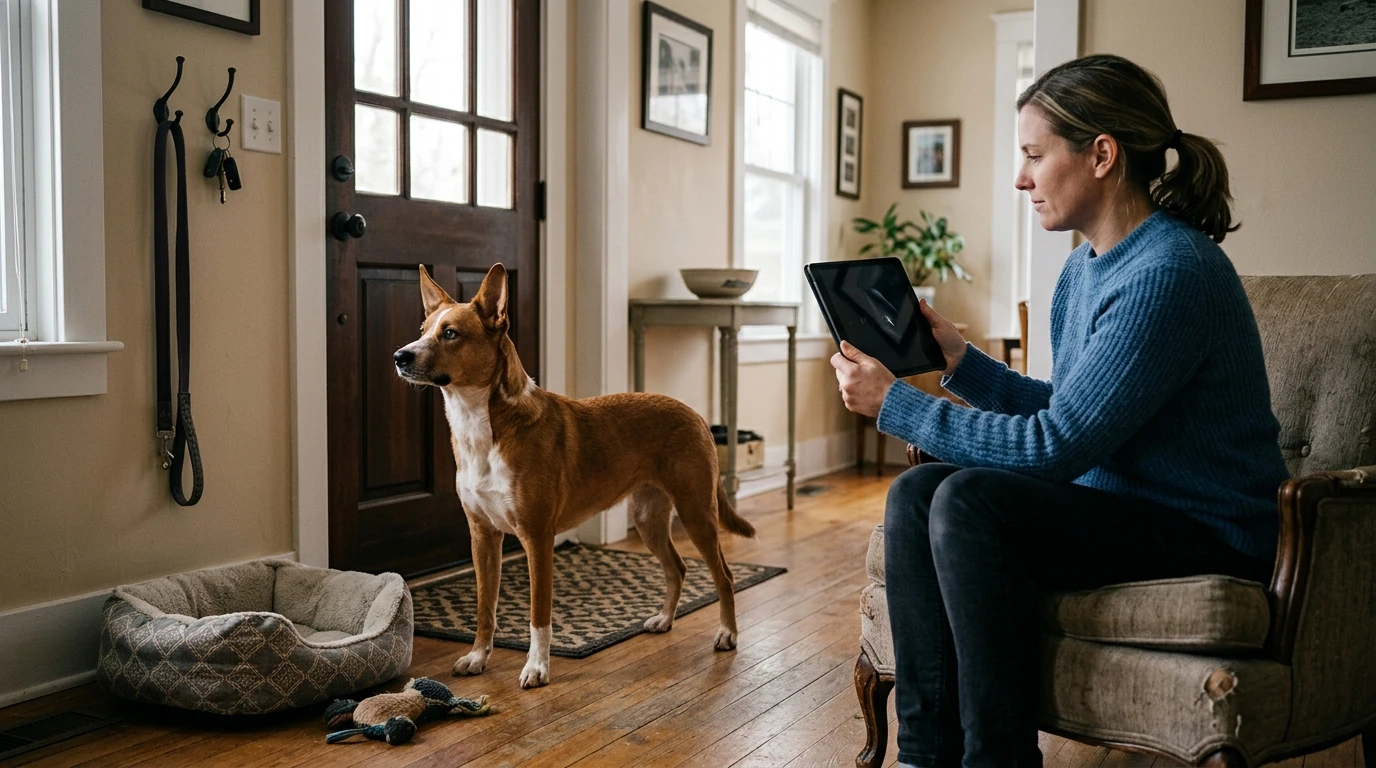
AI for Pet Behavior Analysis: Smart Insights for Understanding Pet Actions
Unexplained barking, sudden hiding, litter box changes, pacing, or new aggression can feel confusing—and sometimes urgent. AI-assisted behavior analysis can help spot patterns across routines, environment changes, and body-language cues that are easy to miss day to day. The goal is not to replace a veterinarian or credentialed behavior professional, but to add structure: better observation, clearer records, and faster recognition of triggers. With more consistent data, it becomes easier to choose the right next step—management, training, enrichment, or a medical check—so daily life feels calmer, safer, and more predictable for both pets and people.
What AI can (and can’t) tell from pet behavior
Used well, AI can organize what you already observe and help reveal “when, where, and what tends to happen next.” That’s often enough to reduce chaos and create a plan.
- Pattern detection: identifying timing clusters (after meals, during deliveries, when left alone), location-based stress points (windows, doors), and recurring sequences (stare → stiff posture → growl).
- Signal grouping: summarizing repeated combinations of cues such as tail position, ear orientation, pacing routes, vocalization types, and context (guests, thunder, toys, other pets).
- Progress tracking: comparing frequency and intensity of behaviors over time to see whether changes are working.
- Limitations: AI cannot diagnose medical conditions and can misread context; pain, illness, cognitive decline, and sensory loss can mimic “behavior problems.”
- When to escalate quickly: sudden behavior change, new aggression, self-injury, appetite changes, vomiting/diarrhea, urination issues, or signs of pain should prompt veterinary evaluation.
For general guidance on behavior and when to seek help, review resources from the American Veterinary Medical Association (AVMA) and the American Veterinary Society of Animal Behavior (AVSAB).
Setting up a behavior data routine that actually works
Most tracking fails for one reason: it’s too complicated to keep up. A small, repeatable routine is more valuable than perfect notes.
- Choose 1–2 target behaviors at a time (e.g., barking at the doorbell, scratching furniture, hiding under the bed) to avoid scattered logging.
- Capture context consistently: time, duration, location, people/pets present, noises, recent exercise, feeding, and any changes in the household.
- Use short video clips when safe to do so; body language often explains more than written notes.
- Add an intensity scale (1–5) plus recovery time (how long it takes the pet to relax again).
- Avoid reinforcing the behavior while recording (for example, repeatedly triggering the doorbell).
A practical rhythm that fits busy homes: a 20–40 second note right after an incident, plus a 10-minute weekly review where you look for “most common triggers” and “biggest improvements.”
Common behavior themes AI can help organize
AI is especially helpful when behaviors are intermittent, emotionally charged, or hard to describe. Instead of relying on memory (“It’s getting worse”), you can compare events and quantify changes.
Stress and fear responses
Look for trembling, panting, dilated pupils, tucked tail, flattened ears, hiding, freezing, or escape attempts—often tied to specific sounds, visitors, handling, or new environments.
Attention and frustration behaviors
Demand barking/meowing, pawing, mouthing, knocking objects down, or repeated jumping commonly connect to inconsistent reinforcement or unmet enrichment needs.
Separation-related behaviors
Vocalizing, destructive chewing near exits, pacing, drooling, or bathroom accidents often follow predictable patterns tied to departure cues and duration alone.
Inter-pet tension
Elimination changes
| What’s observed | Possible drivers | Signals to track | Next steps to try |
|---|---|---|---|
| Barking at door sounds | Alerting, fear of strangers, barrier frustration | Time of day, delivery patterns, visitor distance, posture/vocal tone | Create a quiet station, use sound desensitization, reinforce calm before triggers |
| Hiding and avoiding handling | Fear, pain, negative associations | Trigger (touch location), facial tension, ear position, escape routes | Vet check if sudden; pair handling with treats, shorten sessions, use consent cues |
| Destructive chewing when alone | Separation distress, boredom, under-exercised | Departure routine, duration alone, location of damage | Adjust departures, enrich environment, gradual alone-time training; consult a pro if severe |
| Swatting/growling near food | Resource guarding, insecurity | Distance to resource, body stiffening, approach speed | Manage distance, avoid punishment, practice trades; seek professional guidance for safety |
Turning AI insights into a calm behavior plan
If you’re unsure how to build a humane training plan, the ASPCA’s training guidance is a helpful starting point, especially for reinforcement-based techniques.
Safety, ethics, and privacy when using AI with pet data
Tools and downloads that make tracking easier
- AI for Pet Behavior Analysis Ebook | Smart Insights for Understanding Pet Actions with ai pet behavior analysis ($20.99) includes logging templates, trigger mapping, and step-by-step “observe → hypothesize → test → review” cycles for dogs and cats.
- Waste Wise: A Home Recycling Guide | Simple Home Waste Sorting System, Eco-Friendly Living Guide & Digital Download ($5.99) can help simplify household routines—useful when environmental changes tend to spike pet stress.
- No-Stress Packing Checklist for Traveling With Kids – Ultimate Family Travel Guide & Digital Download ($12.99) supports smoother travel prep, which can reduce last-minute disruptions that sensitive pets often react to.
FAQ
Can AI diagnose why my pet is acting differently?
No. AI can organize observations and highlight patterns or triggers, but it can’t diagnose illness or pain; sudden or concerning changes should be checked by a veterinarian, and aggression or severe distress warrants support from a credentialed behavior professional.
What information should be logged for the most useful AI insights?
Log time, location, duration, intensity (1–5), recovery time, people/pets present, noises, recent exercise/feeding, and any environmental changes, plus a short video when it’s safe to capture one.
Is AI-based behavior tracking safe and humane to use for training?
Yes when it’s used for planning and measurement, paired with reinforcement-based training and good management. Avoid punishment based on AI assumptions, and prioritize welfare, safety, and privacy throughout the process.











Leave a comment