Antique Arched Metal Mirror: Placement, Styling, Care
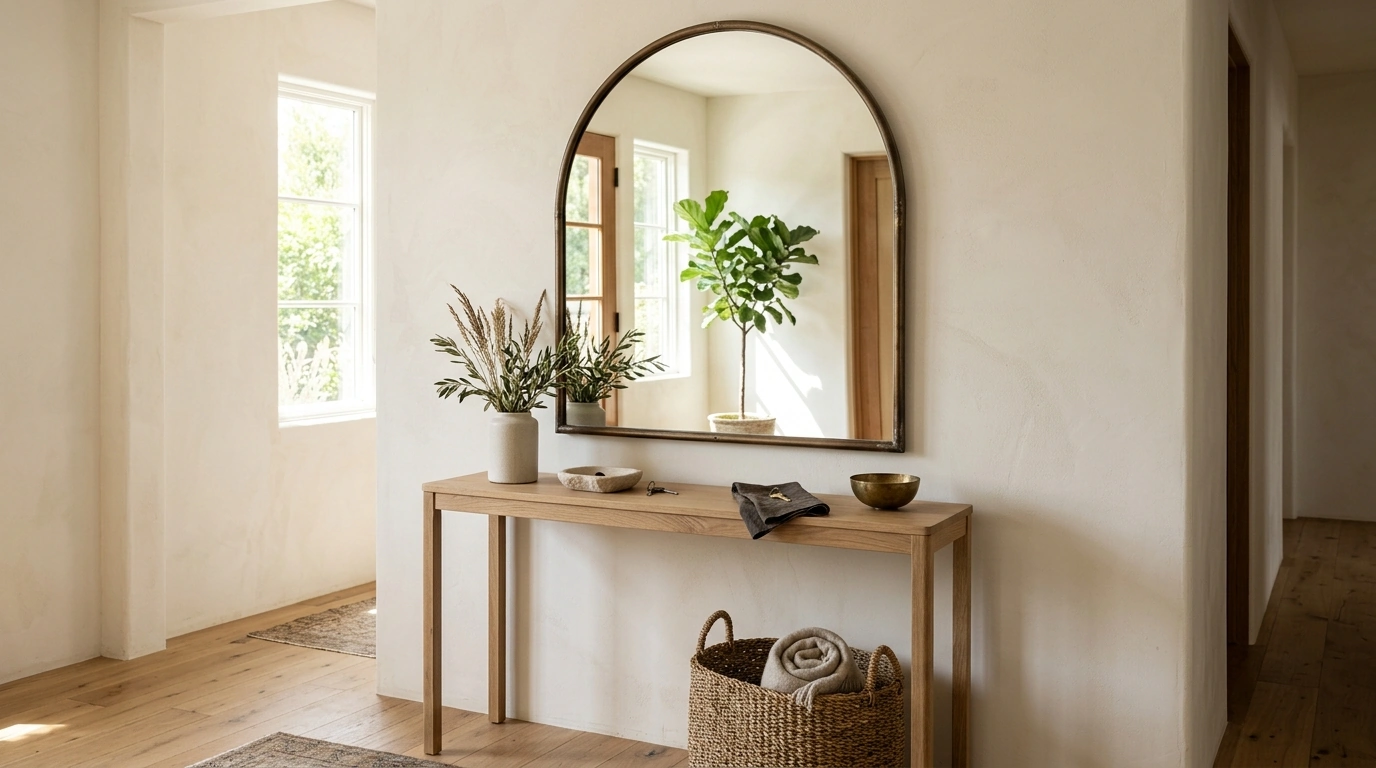
Antique Arched Metal Mirror
An arched metal mirror brings structure and softness to a space at the same time—clean lines from the frame, and a gentle curve that complements everything from vintage pieces to modern décor. This style works especially well for brightening darker corners, visually expanding narrow rooms, and adding an architectural focal point above furniture.
If you’re looking for a statement that feels collected rather than trendy, an antique-look arched frame is an easy win: it reads like an old window, adds depth on a flat wall, and introduces a subtle contrast that helps nearby décor feel more intentional.
What Makes an Arched Metal Mirror Feel “Antique”
“Antique” is less about a single finish and more about a set of design cues that suggest age, craftsmanship, and history—without sacrificing function.
- Arched silhouette: The curve echoes classic window and doorway shapes, adding height and elegance.
- Metal framing: Metal introduces contrast against light walls and adds definition against patterned wallpaper.
- Antique-inspired finish cues: Look for soft patina, muted metallic tones, lightly distressed edges, and warm undertones that pair well with wood and stone.
- More natural mixing: Aged-look frames tend to blend more easily with mixed materials (oak, marble, rattan, linen) than highly polished chrome.
For a balanced “found” look, let the frame be the character piece and keep surrounding items simple—one or two materials repeated nearby (wood + linen, or stone + brass) is often enough.
Best Places to Use an Arched Mirror at Home
Arched mirrors thrive wherever you want light, height, or a focal point that doesn’t feel heavy. The key is placing it where it can reflect something worth seeing—daylight, a lamp glow, artwork, or a clean sightline.
- Entryway: Creates a welcoming moment and offers a quick check before heading out; pairs well with a console and a small catchall tray.
- Living room: Place above a mantel or credenza to bounce natural light and visually widen the wall.
- Bedroom: Position above a dresser to create a dressing zone; keep the bottom edge comfortably above tabletop décor to avoid crowding.
- Bathroom (outside splash zones): Adds a boutique feel; confirm humidity tolerance and keep metal finishes dry to preserve patina.
- Hallway or stair landing: Turns an in-between space into a destination and helps distribute light through the home.
Placement guide: sizing and hanging height
| Location | Recommended mirror width | Ideal bottom height from floor | Styling tip |
|---|---|---|---|
| Above a console table | 60–80% of console width | 40–50 in (to center at eye level) | Add a lamp or vase to one side for balance |
| Above a dresser | 60–75% of dresser width | 42–52 in | Keep top décor low to prevent a crowded look |
| Over a mantel | Varies; aim for proportional to mantel opening | 4–8 in above mantel shelf | Use symmetry with sconces or candlesticks |
| Entryway wall (no furniture) | As wide as fits the wall section | Center at 57–60 in | Pair with a small bench or hooks nearby |
| Hallway | Narrower profiles work best | Center at 57–60 in | Use opposite a window to reflect daylight |
Styling Ideas That Work With an Antique Metal Frame
An antique-finish metal frame can lean rustic, industrial, European vintage, or modern-traditional depending on what you place around it. A few reliable styling approaches help it feel integrated instead of “floating.”
Mounting, Safety, and Wall Types
- Confirm wall type before hanging: Drywall typically requires anchors or studs; brick and concrete require masonry hardware.
- Use load-rated hardware: D-rings, keyhole mounts, or a French cleat can all work; match the method to the mirror’s weight and your wall.
- Leveling matters with arches: Measure from the floor to both lower corners so the curve reads symmetrical.
- High-traffic areas: Consider anti-tip/safety hardware and avoid placing where doors can strike the frame. For broader tip-over and stability guidance, review the Consumer Product Safety Commission’s tip-over prevention resources.
- Clearance above furniture: If hanging above a bench or console, leave enough space so everyday items can be moved without contacting the glass.
Care Tips for Metal Frames and Mirror Glass
- Dust regularly: Use a soft microfiber cloth to prevent buildup in corners and along the arch.
- Spot-clean the metal: Wipe with a slightly damp cloth, then dry immediately to reduce water marks and oxidation.
- Avoid abrasives: Skip scouring pads and harsh cleaners that can strip distressed finishes or leave scratches.
- Clean glass carefully: Use an alcohol-free glass cleaner when possible; spray onto the cloth (not directly onto the mirror) to protect the frame.
- Manage humidity: In humid rooms, ensure good ventilation and wipe condensation promptly. The EPA’s indoor air quality guidance is a helpful reference for moisture basics.
Product Details to Check Before Buying
In-Stock Picks
- Antique Arched Metal Mirror ($312.51)
- Waste Wise: A Home Recycling Guide | Simple Home Waste Sorting System, Eco-Friendly Living Guide & Digital Download ($5.99)
FAQ
How high should an arched mirror be hung?
Use eye-level centering as the default: aim for the mirror’s center around 57–60 inches from the floor, then adjust slightly based on ceiling height and the furniture below.
Can a metal-framed mirror work in a bathroom?
Yes—keep it out of direct splash zones, run ventilation to reduce humidity, and dry the frame if condensation forms to help protect the finish.
What size mirror looks best above a console or dresser?
A common guideline is 60–80% of the furniture width, leaving a little margin on both sides so the arrangement looks balanced rather than cramped.








Leave a comment