Do You Need a Second Car? 2-Week Stress Checklist
Second Car? A Smart, Stress-Saving Checklist to Know When It’s Time
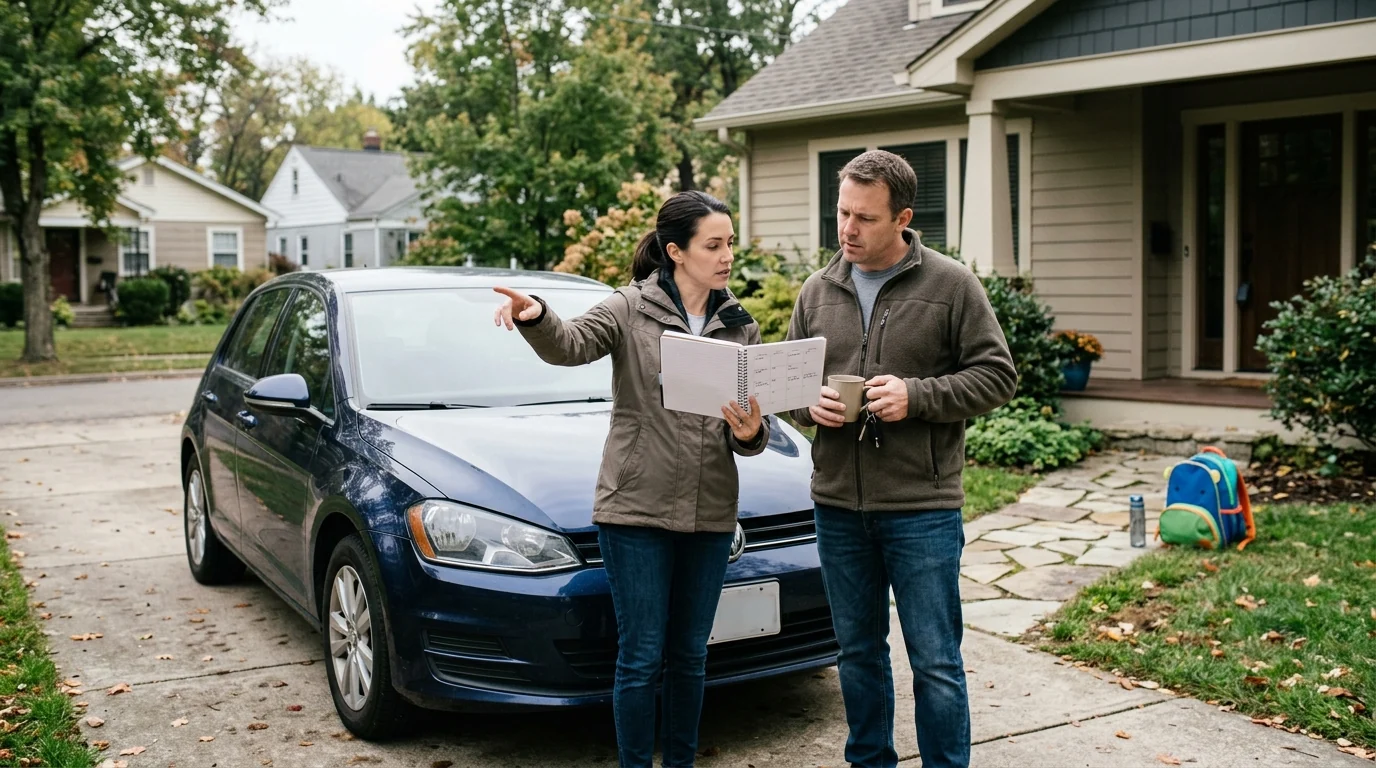
A second vehicle can feel like a luxury—until the daily logistics start costing more time, money, and patience than expected. The most helpful way to decide isn’t guessing; it’s noticing repeat patterns: scheduling conflicts, commute complications, childcare shuffles, and hidden costs that quietly build. The goal is a clear yes/no decision backed by your household’s real routines, not assumptions.
Start With the Real Problem: Mobility Bottlenecks
Before you compare cars or run loan numbers, get specific about what’s actually breaking down. A second car solves “two people need to be in two places at the same time” far better than it solves “we had a hectic week.”
- Identify the recurring pinch points: missed appointments, late pickups, or constant ride negotiations.
- Separate occasional inconvenience from weekly conflicts: one rainy-day disruption is different from every Tuesday and Thursday chaos.
- Track “vehicle contention” for two weeks: how often two people genuinely need the car at the same time.
- Label activities as non-negotiable vs. flexible: work shifts and school drop-offs usually can’t move; a gym visit might.
If you want a neutral tie-breaker, use real-world travel and commuting patterns as context. National datasets like the U.S. Department of Transportation’s National Household Travel Survey show how trip frequency and timing stack up for many households—helpful when you’re sanity-checking your own schedule.
Checklist: Signs a Second Car Would Reduce Stress
A second vehicle tends to earn its keep when conflicts are predictable and the consequences are expensive, risky, or relationship-draining.
- Work schedules overlap in a way that makes one person consistently late or dependent on rideshare.
- Childcare or school logistics require frequent back-and-forth trips during the day.
- A household member has an unpredictable on-call or shift-based schedule.
- Medical appointments or caregiving responsibilities demand frequent, time-sensitive travel.
- Public transit, carpooling, or biking options are unreliable for critical trips (weather, safety, timing).
- One car being in the shop creates a full stop for the household rather than a manageable inconvenience.
- Arguments about car access are frequent, or one person carries most of the transportation burden.
Second-Car Decision Scorecard (2-Week Snapshot)
| Signal | How often? | Impact when it happens | Notes |
|---|---|---|---|
| Two people need the car at the same time | 0–7+ times/week | Low / Medium / High | List the recurring time blocks |
| Paid work impacted (late, missed shift, reduced hours) | Never / Monthly / Weekly | Low / Medium / High | Estimate cost or consequences |
| Childcare/school pickups stressful or risky | Never / Sometimes / Often | Low / Medium / High | Include backup plan quality |
| Rideshare/taxi dependence increasing | $0 / <$50 / $50–$200 / $200+ | Low / Medium / High | Note peak pricing issues |
| Car maintenance downtime disrupts essentials | Never / Sometimes / Often | Low / Medium / High | Days without car last year |
| Relationship/friction over car access | Rare / Monthly / Weekly | Low / Medium / High | Describe patterns, not blame |
If you’re consistently marking “weekly” plus “medium/high impact” on more than one line, you’re not dealing with a minor annoyance—you’re dealing with an operating constraint.
Cost Reality Check: The Monthly Number That Matters
The decision gets clearer when you compare true monthly ownership cost to what you’re already spending to patch the one-car gap.
- Total monthly ownership: payment (or savings plan) + insurance + registration/taxes + fuel + maintenance reserve + parking.
- One-time setup costs: title/transfer fees, initial maintenance catch-up, tires, fluids, and key replacement.
- Current workaround costs: rideshare, delivery fees, missed work hours, added childcare time, and “convenience spending” that happens when you’re rushed.
- Downtime buffer: if the main car fails, a second car can prevent emergency rentals or lost income.
For a grounded benchmark on what driving can cost, the AAA “Your Driving Costs” reports are useful for ballpark operating estimates. For household spending patterns, the Bureau of Labor Statistics Consumer Expenditures data can help you sanity-check what category tradeoffs might look like.
One Car Alternatives to Try First (If the Problem Is Occasional)
If your scorecard shows conflicts only a couple times a month, it may be cheaper (and simpler) to tighten the system you already have.
If the Answer Is Yes: Choose the Least Complicated Second Vehicle
Use a Printable Checklist to Make the Decision in One Sitting
If you want a ready-to-print version you can fill out quickly, see Second Car? A Smart, Stress-Saving Checklist That Reveals the Real Signs You Need a Second Car.
Helpful add-ons for busy households
- No-Stress Packing Checklist for Traveling With Kids – Ultimate Family Travel Guide & Digital Download
- Waste Wise: A Home Recycling Guide | Simple Home Waste Sorting System, Eco-Friendly Living Guide & Digital Download
FAQ
How many conflicts per week usually justify a second car?
A practical rule of thumb is “weekly conflicts with real consequences”: repeated overlaps that cause late arrivals, missed work, paid rideshare costs, or childcare/safety risks. Focus on frequency plus impact—two high-impact conflicts can justify a second car faster than five low-impact inconveniences.
Is it better to buy an inexpensive used car or rely on rideshare?
Compare your total monthly ownership cost (insurance, registration, fuel, maintenance reserve, and parking) to what you’re already paying in rideshare, delivery fees, extra childcare, and lost work time. Rideshare can be cheaper for occasional gaps, but surge pricing and “no cars available” moments make it risky if your needs are frequent or time-sensitive.
What’s the most overlooked expense of adding a second vehicle?
Insurance and registration/taxes are the big misses, followed by parking and the initial maintenance catch-up that many used cars need. It also costs time—inspections, oil changes, repairs—so building a small monthly maintenance reserve helps avoid surprise bills.











Leave a comment